Yes. Members over 40 often have the most money, the most loyalty and the least help from typical gyms. Programs for older adults rank second in the American College of Sports Medicine’s 2026 trends survey, with balance, flow and core fifth. Add coached strength for over-40s, short mobility and balance sessions, and a screening step at joining, and you serve a segment many chains overlook.
Why is this a 2027 opportunity?
The American College of Sports Medicine surveyed more than 2,000 fitness professionals for its 2026 trends. Programs for older adults ranked second, exercise for weight management third, and balance, flow and core fifth. The World Health Organization reports that 31% of the world’s adults, about 1.8 billion people, do not meet recommended levels of physical activity, and recommends at least 150 minutes of moderate-intensity activity a week for adults.
In Delhi NCR, the over-40 member is often a business owner, senior professional or retiree who can afford a premium plan, trains at quieter hours and stays for years if the gym looks after them. Many gyms treat them as an afterthought on a floor designed for 25-year-olds.
What do over-40 members need?
- Strength training, coached. Strength keeps people independent as they age. They need good technique, sensible loading and progress they can see.
- Mobility and balance. Short, regular sessions for hips, shoulders and spine, and balance work to reduce fall risk.
- A plan around their health. Knees, backs, blood pressure, diabetes and old injuries are common. A trainer who asks and adapts earns trust.
- Calmer hours. Late morning and early afternoon, when the floor is quiet.
How do you screen new members safely?
Add a short health questionnaire to joining for every member, with a doctor’s clearance for anyone with heart conditions, uncontrolled blood pressure, recent surgery or other red flags. Train your team on when to refer to a physiotherapist or doctor. This is not about turning people away. It is about starting them at the right level.
What should you add to the timetable?
- Strength for over-40s, two or three times a week, small group, coached.
- Mobility and balance, 30 minutes, open to everyone, ideally after a busy class slot.
- Recovery and stretching on weekends, which also suits members who lifted hard all week.
Run them in your quieter hours. That fills empty capacity and keeps the evening peak free. See how to fix peak-hour crowding.
How do you show progress?
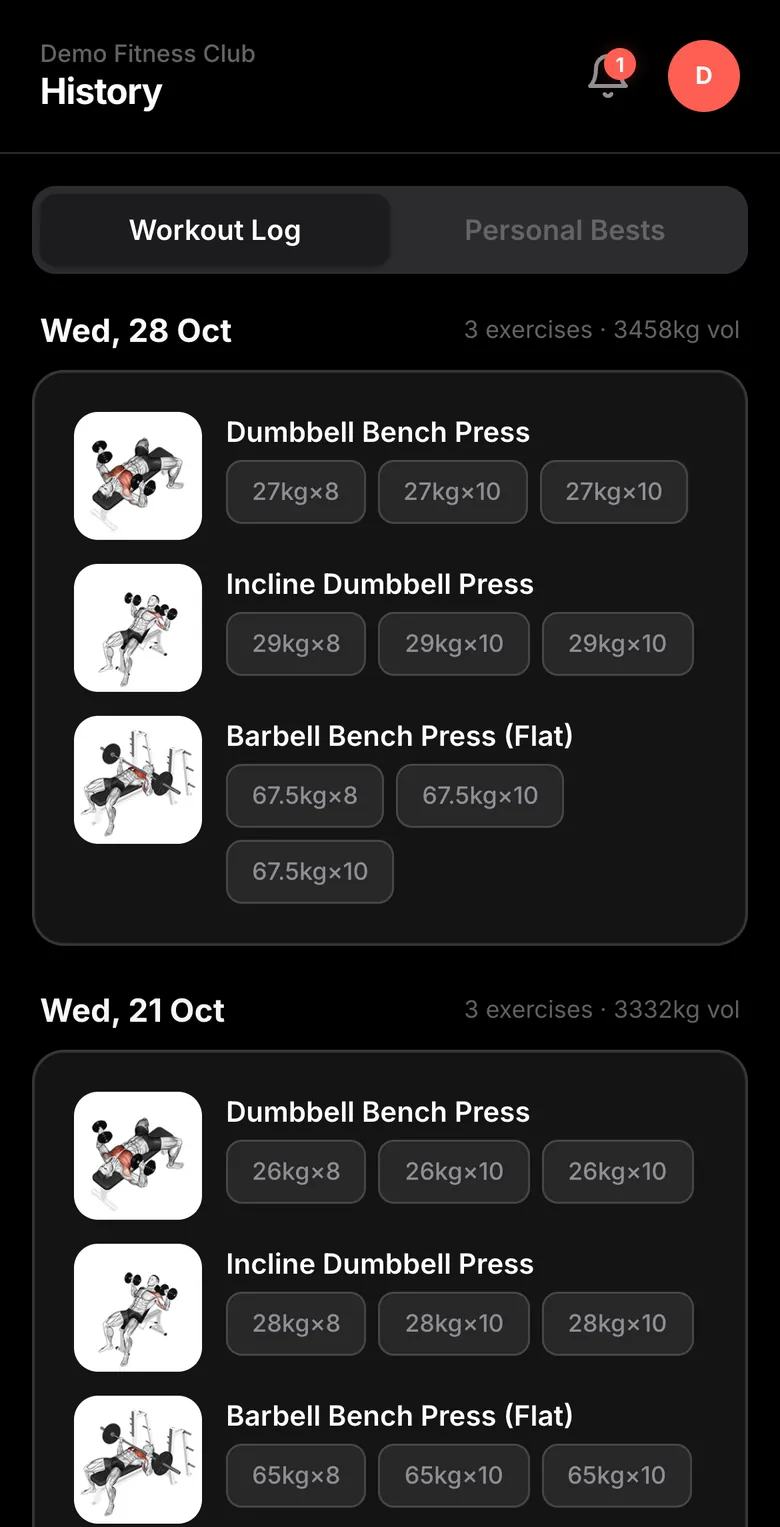
For older members, progress is often about function as much as appearance: carrying shopping up stairs, getting up from the floor, playing with grandchildren. Log lifts and measurements, and add simple tests every eight weeks, such as a timed sit-to-stand or a single-leg balance hold. Share the change with the member, and with their family if they want.
What about recovery services?
Recovery is popular, but be careful with expensive equipment. Before buying, test demand with low-cost options: stretching classes, foam rolling areas and partnerships with local physiotherapists or massage therapists. Add equipment only when members are already paying for recovery.
How do you market it?
Speak to the segment directly on your website and Google Business Profile: “coached strength for over-40s”, “mobility and balance classes”, and the name of the coach who leads them. Members over 40 often find gyms through family or friends, so make it easy for an adult child to refer a parent. See referrals and lead follow-up.
What GymVise does and does not do here
GymVise lets trainers assign workouts from templates and adjust them per member, schedule small-group classes members book in the app, and log body measurements over time, with full workout history and personal bests for every exercise. GymVise does not collect medical history, run health screening or connect to heart-rate devices, so keep screening forms and medical clearances in your own process.
Sources
- ACSM: Top fitness trends for 2026 (survey of 2,000+ fitness professionals)
- World Health Organization: Physical activity fact sheet
Checked 14 November 2026. Figures from other countries or from vendors are labelled as such, and any example marked as illustrative is not a benchmark.
See how it would work in your gym
We can walk you through the member app and owner dashboard using your own plans and timetable.
Book a free demoFrequently asked questions
For most people, yes, with good coaching and sensible progression. Screen every new member and ask for a doctor’s clearance when there are heart conditions or other red flags.
Coached small-group strength, mobility and balance sessions, and weekend recovery or stretching classes, ideally at quieter hours.
The WHO recommends at least 150 minutes of moderate-intensity physical activity a week for adults, and reports that 31% of adults worldwide do not meet recommended levels.